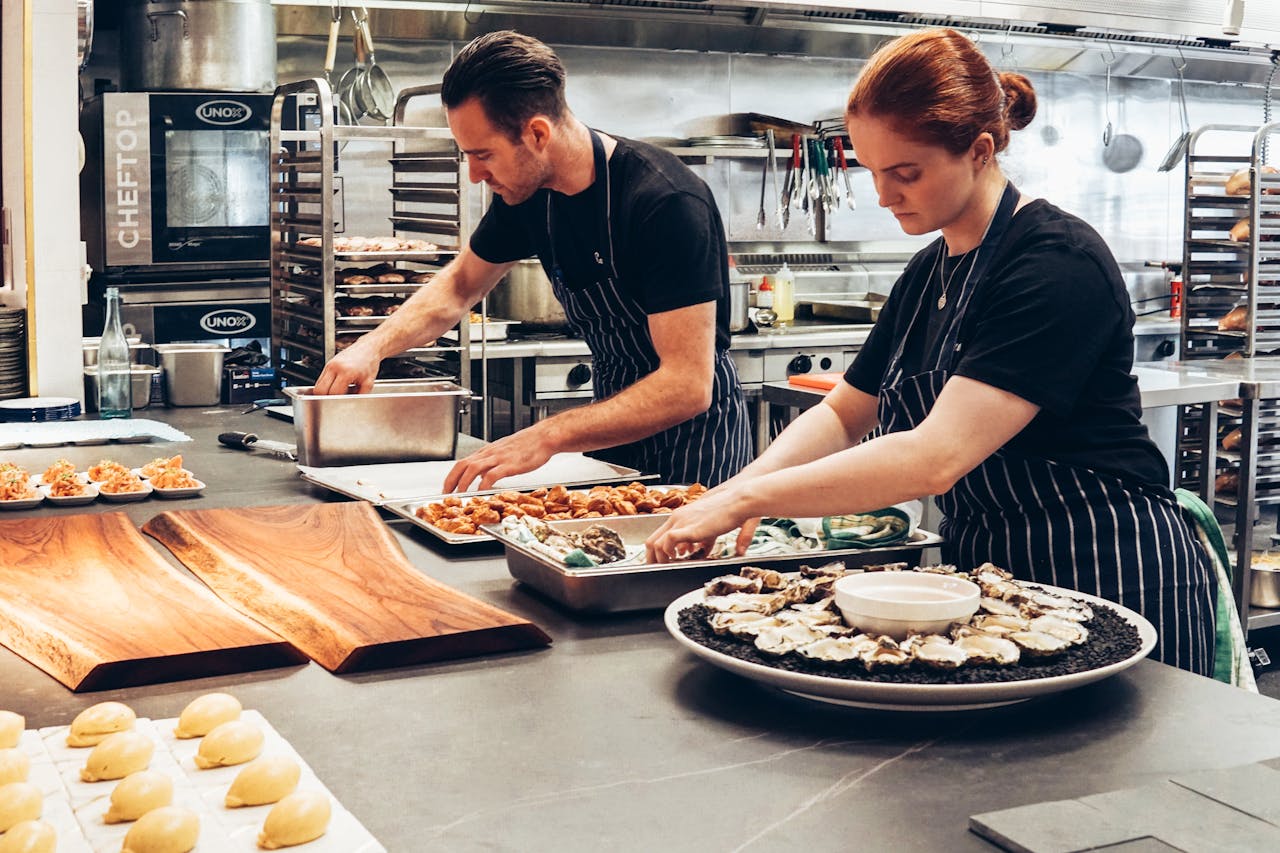
Office catering has undergone a quiet transformation in recent years, shaped by changes in work patterns, rising employee expectations, and a growing emphasis on workplace culture. As businesses continue to refine their hybrid models and rethink how they use their office spaces, catering has become a surprisingly powerful tool. Not just to feed teams, but to bring them together and support productivity.
In 2025, several key trends are defining the future of office catering, and they all point toward a more thoughtful, personalised, and experience-driven approach.
Quality Over Quantity
One of the most noticeable shifts in office catering is the move away from bulk, low-cost food options towards curated, high-quality menus.
Companies are increasingly choosing caterers who prioritise fresh ingredients, professional presentation, and menus that feel more like modern dining than corporate necessity. Employees have become more discerning about what they eat – especially when in the office – and businesses now recognise that quality catering reflects positively on the wider company culture.
Instead of trays of identical sandwiches or generic buffet items, teams are expecting:
- Varied menus
- Seasonal ingredients
- Freshly prepared dishes
- Balanced options that feel satisfying but not heavy
This preference for quality is part of a broader trend of investing in employee experience – especially when staff make the effort to come into the office.
Personalisation Takes Centre Stage
2025 is also the year where personalised business catering becomes the norm. No two meetings are the same, and no two teams have identical needs, so businesses want flexibility built into their catering choices.
Companies now expect catering packages tailored to:
- Dietary requirements: vegan, halal, gluten-free, dairy-free
- Meeting types: creative workshops, boardroom meetings, training days, team socials
- Team preferences: lighter options, premium menus, afternoon energy boosters
Catering providers such as South Catering, a Manchester based catering company, have responded by building adaptable menus that can be customised around group sizes, event styles, and dietary considerations. Their clients range from small creative teams to large corporate departments – and the demand is always the same: catering that fits the event, not the other way round.
Breakfast Catering Dominates
One of the fastest-growing segments of office catering is breakfast.
With hybrid teams often starting their day at different times, breakfast catering is becoming the ideal solution for encouraging early collaboration and bringing people into the office. Morning meetings are energising, focused, and convenient; and a well-prepared breakfast makes them even more appealing.
Popular choices include:
- Hot breakfast baps
- Pastries and croissants
- Fruit platters
- Yoghurt and granola pots
- Fresh juices and good-quality coffee
South Catering has seen a significant rise in early-morning orders, particularly from businesses aiming to make in-office days more meaningful. Breakfast catering also tends to be cost-effective while delivering a big cultural impact – a combination that explains its continued momentum.
Convenience + Experience
Office catering in 2025 is all about the balance between efficiency and experience. Businesses want food that:
- Arrives on time (non-negotiable)
- Looks professional and presentable
- Offers balanced, nutritious choices
- Contributes positively to the overall meeting or event
Catering is now part of how meetings are structured. It helps set the tone, shows appreciation, and turns routine gatherings into something more engaging. Companies want partners who can deliver reliably without taking up internal resources.
This is why businesses increasingly rely on established providers like South Catering whose streamlined ordering process, punctual delivery, and polished presentation make catering stress-free.
Office Catering Becomes a Culture Tool
The biggest trend of all is that catering is no longer just about food – it’s about culture.
In a competitive employment market, companies are looking for ways to create workplaces people actually enjoy returning to. Shared meals help build relationships, encourage informal communication, and signal that the organisation values its staff.
Office catering supports:
- Staff retention
- Team bonding
- Hybrid engagement
- Morale during busy periods
- A sense of belonging
Thoughtful catering – whether breakfast, lunch, or event platters – is becoming one of the simplest and most effective ways for employers to create a positive working environment.